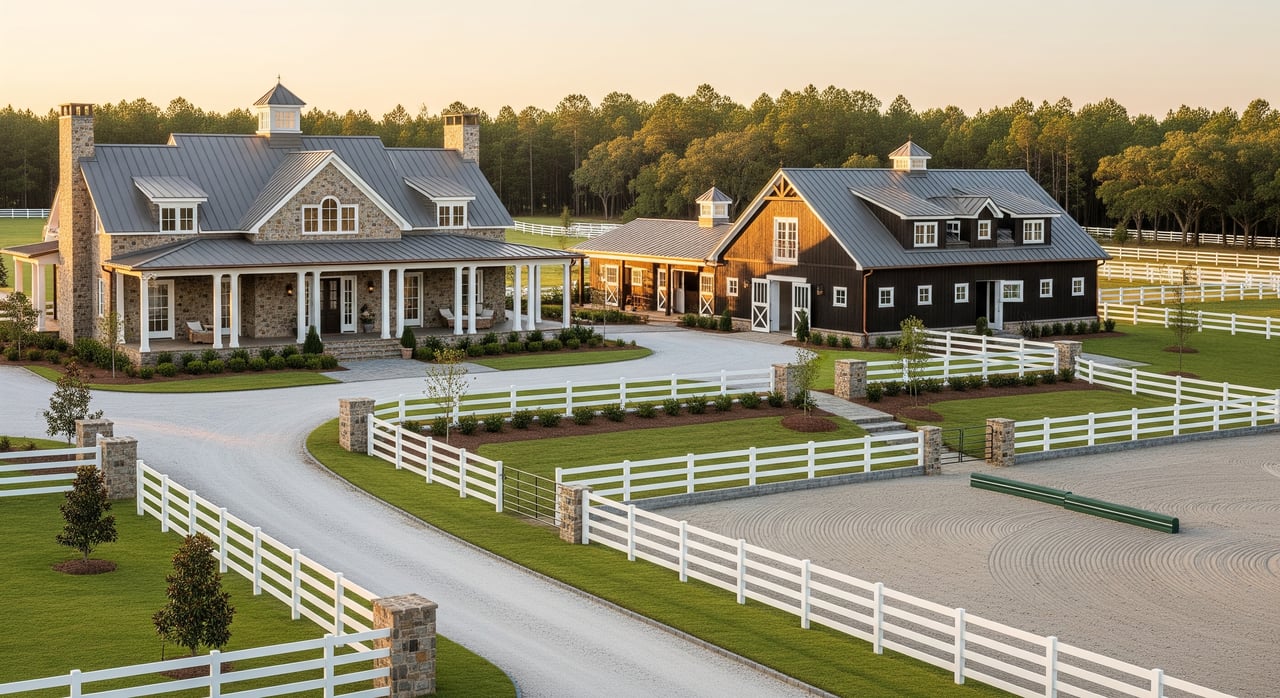
Pricing a horse property is not the same as pricing a typical home. If you miss the mark, you either leave money on the table or sit on the market while the right buyers pass you by. If you own or plan to buy in McClendon Hills in 27376, your price depends on land usability, equine infrastructure, and local demand tied to the broader Moore County equestrian scene. In this guide, you’ll learn how buyers and appraisers look at acreage, barns, arenas, and due diligence so you can price with confidence. Let’s dive in.
What drives price in McClendon Hills
Land and site fundamentals
Land is the foundation of value for horse properties, but not all acres are equal.
- Usable pasture vs. wooded acreage. Buyers pay a premium for well-drained, contiguous pasture and safe turnout. Percent of usable acreage matters more than total acreage.
- Topography and drainage. Gentle slopes and good surface water management add value. Wet or flood-prone areas reduce usable land and price.
- Soil quality. Productive soils support pasture health and reduce long-term feed costs. Poor soils can limit carrying capacity and building options.
- Water availability. Reliable wells, water lines to paddocks, and well-placed troughs are high-value features.
- Access and road type. Paved access, year-round maintenance, and a safe trailer turnaround improve marketability. Long private drives can be a drawback for training or boarding uses.
Barns, arenas, and fencing
Equine infrastructure is where many pricing swings happen.
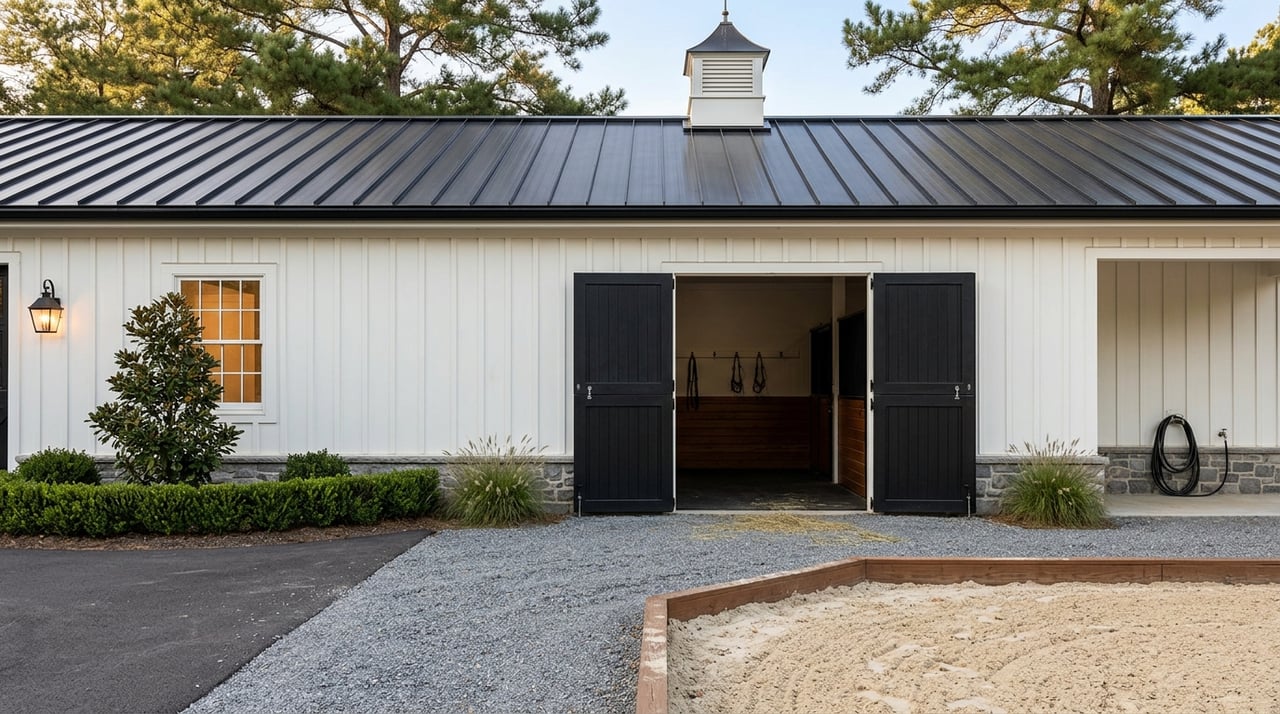
- Barns and stalls. Count, size, ventilation, wash racks, tack and feed storage, and construction quality all factor into adjustments.
- Arenas. Presence, size, footing, drainage, and lighting matter. Well-built indoor arenas often command larger premiums than outdoor arenas.
- Fencing and paddock layout. Safe, well-maintained post-and-rail or pipe fencing beats aging electric wire. Multiple paddocks and cross-fencing add flexibility.
- Run-ins and shelters. Useful for turnout and herd management, though the premium is usually smaller than a quality barn.
House and daily-use conveniences
The residence still matters to most buyers.
- Proximity to barn and arenas. Short, safe access adds daily convenience and peace of mind.
- Parking and trailer access. Adequate parking and an easy trailer turn are essential.
- Utilities and septic. Sufficient well capacity and septic sizing for intended use protects value and reduces future costs.
- Storage. Outbuildings for hay, equipment, and maintenance gear support operations and appeal.
Location and demand drivers
Demand can shift based on how close you are to core equestrian amenities and services.
- Proximity to trainers, show venues, and trails. Closer locations tend to draw more competitive buyers and command a premium.
- Neighborhood rules. HOA covenants or deed restrictions can limit number of horses or commercial use, which affects buyer pool and price.
- Commute times to Southern Pines and Pinehurst. Access to town conveniences expands buyer interest.
Operational and income setup
If a property supports income, price can reflect that potential.
- Active boarding or training. Verified client base, leases, and revenue history allow buyers to consider an income approach to value.
- Staff support. On-site housing or spaces that support employees make commercial use more feasible.
How to value an equestrian property
Start with local sales comparison
For most properties, the sales comparison approach is your anchor.
- Pull recent closed sales of similar horse-capable properties in 27376 and nearby Moore County. Match acreage, usable pasture, barn quality, and arena presence.
- Verify parcel size, easements, and building footprints with county GIS. Do not rely on listing remarks alone.
- Adjust for meaningful differences, including usable acres, flood risk, fencing, arenas, and utilities.
Use the cost approach for unique improvements
When you have specialized or newer equine improvements, the cost approach helps.
- Estimate replacement cost for barns, arenas, fencing, and outbuildings, then subtract depreciation and add land value.
- This is useful when direct comps are scarce or when the property’s improvements are superior to typical sales.
Consider income only when records support it
The income approach applies if a stable, documented operation exists.
- Capitalize a verified net operating income from boarding or training. Reliable financials, contracts, and client retention matter.
- Many small operations lack records, which limits the usefulness of this method.
When comps are thin, split land and improvements
If direct apples-to-apples comps are limited, break the property into parts.
- Land value. Use nearby land-only sales to estimate a range per usable acre, adjusting for soils, drainage, and location.
- House value. Use residential comps for the home itself in the immediate area.
- Equine improvements. Add barns, arenas, and fencing using replacement cost cross-checked against any sales with similar infrastructure.
Due diligence that changes price and marketability
Zoning, covenants, and use limits
Confirm what you can do on the property before setting a price.
- Verify zoning, permitted uses, lot-size rules, and setbacks with Moore County Planning and Zoning.
- Review deed covenants and HOA rules for horse count limits, structure types, or any prohibition on commercial activity.
Soils, drainage, and flood risk
Site constraints can reduce usable acres and raise costs.
- Check FEMA flood maps and local floodplain data to understand insurance needs and building limits.
- Review USDA NRCS soils to gauge pasture productivity and septic feasibility.
- Wetlands or jurisdictional waters may require permits for future improvements.
Water supply and septic capacity
Equine operations use more water than most homes.
- Test well flow and pressure. Horses, wash racks, and dust control add demand.
- Confirm septic permits and capacity. Plans for staff housing or expanded facilities may require upgrades.
Insurance and financing nuances
Lenders and insurers treat horse properties differently.
- Flood or storm exposure can impact insurability and premiums.
- Some lenders limit loans for commercial use or unconventional structures. You may need a larger down payment or a specialized product.
Easements, rights, and access
Title limitations can take acres out of service.
- Utility or roadway easements can constrain paddock layout and building locations.
- Confirm rights of way, conservation easements, and any restrictions that affect future plans.
Health, safety, and condition
Safety and maintenance affect both value and buyer pool.
- Check electrical, ventilation, and fire risks in barns.
- Repair broken fencing, unstable stalls, and roof leaks before listing.
Business diligence for income properties
If income is part of the story, the numbers must hold up.
- Provide financial statements, contracts, client lists, and any required approvals.
- Resolve permit issues or tax liens that could delay or derail a sale.
Pricing strategy that attracts the right buyers
Know your buyer segments
Different buyers value different features, which should guide your price and marketing.
- Local hobbyists. Prefer modest acreage, safe fencing, and a convenient barn close to town.
- Serious competitors and trainers. Want quality arenas, multiple paddocks, ample storage, and straightforward access.
- Investors or commercial operators. Focus on layout for clients, manure management, parking, and proximity to a strong regional buyer pool.
- Lifestyle buyers. Often pay a premium for scenic, private tracts near established equestrian communities.
Choose your price path
Balance speed with premium.
- Aggressive pricing. Draws more showings and can spark competition.
- Strategic premium. Price slightly above recent comps and justify it with clear documentation of improvements, high-quality media, and a strong narrative.
Presentation and proof that support value
Buyers pay more when they can trust the story.
- Documentation. Gather barn plans, arena footing specs, construction dates, maintenance records, septic permits, and well tests.
- Maps and visuals. Provide a labeled property map showing usable pasture, paddock layout, barns, arenas, septic, and well locations.
- Photography and video. Use professional photos and drone footage to highlight arenas, fencing, trailer access, and nearby amenities.
- Cost context. Offer replacement-cost estimates for big-ticket items like arenas to anchor value.
Seller checklist to prepare for market
A little prep avoids discounts later.
- Fix safety items first: fencing, electrical, roof, and structural issues.
- Complete septic inspection, well flow test, and any soil or pasture tests.
- Organize records and clarify what equipment conveys with the sale.
Seasonal timing
Season can shape buyer perception.
- Spring and early summer show greener pastures and better footing, which can support stronger offers.
- In winter or wet periods, set clear expectations about drainage and footing maintenance to keep perceived value intact.
Buyer negotiation levers
Expect buyers to target deferred maintenance.
- Common requests include credits for fencing repair, arena footing refresh, septic or well upgrades, or flood mitigation.
- Offering an inspection period focused on barns and arenas can reduce back-and-forth.
Next steps in 27376
Ground your pricing in verifiable local data and property specifics. Pull the most similar recent sales in 27376 from the MLS, verify acreage and improvements with Moore County GIS, and confirm zoning with the county planning office. Review FEMA flood maps and NRCS soils to understand usable acreage and building limits. If an income component exists, assemble clean financials and approvals. With a documented story and a focused strategy, you can position your McClendon Hills property to capture the right buyers at the right price.
Ready to price your equestrian property or find the right horse-ready home? Reach out to a local advisor who understands both lifestyle and land. Connect with Kelly Ward KW Realty for a tailored strategy.
FAQs
How many acres per horse do I need in Moore County?
- It depends on pasture quality and management. Many hobby owners plan 1 to 3 acres per horse with supplemental hay, while on-pasture forage may require 2 to 5 or more acres per horse.
Do barns and arenas always add value to a horse property?
- Quality and condition drive value. A well-built, well-maintained indoor or a top outdoor arena adds a premium, while a deteriorated barn can be a liability.
How do you find good comps for equestrian homes in 27376?
- Start with recent MLS sales that match acreage, usable pasture, barns, and arenas. If direct matches are scarce, separate land value from the house and add equine improvements using replacement cost.
What disclosures should NC sellers of equestrian homes expect?
- State disclosures still apply, including structural items, septic and well, and known environmental hazards. Also disclose known animal-use restrictions, manure storage issues, or permit violations.
How does floodplain acreage affect price in McClendon Hills?
- Floodplain reduces usable acreage and can increase insurance costs. Buyers typically discount properties with mapped flood risk, so verify with FEMA and local maps early.
Can I use a standard mortgage for a horse property in Moore County?
- Often yes for hobby properties, but commercial boarding or unconventional structures may require specialized or agricultural loans and a larger down payment.