Relocating to Pinehurst can feel exciting and a little overwhelming at the same time. You may be balancing a home search, a sale in another city, school questions, and the details that come with moving to a place that has its own local rules. This guide will help you plan your move with more confidence, from your first research phase to settling in after closing. Let’s dive in.
Why Pinehurst Draws Relocating Buyers
Pinehurst offers a stable, homeowner-focused setting that appeals to many buyers who want to put down roots. According to the U.S. Census QuickFacts for Pinehurst, the village had an estimated population of 18,502 in July 2024, with 85.2% of housing units owner-occupied.
The same Census data shows a median household income of $109,802, a median owner-occupied home value of $476,600, and a median gross rent of $1,664. In practical terms, that points to a market shaped more by long-term homeowners than short-term turnover.
Location is another part of Pinehurst’s appeal. The village highlights its central Sandhills position, about 33 miles from Fort Bragg, roughly an hour from Raleigh, and around two hours from Charlotte on its moving to Pinehurst page. If you need regional access while still wanting a distinct local community, that can be a meaningful advantage.
Step 1: Research Pinehurst From Afar
If you are moving from outside the area, start by getting familiar with the village before you book travel. Pinehurst offers a five-route virtual historic tour, which can help you preview different parts of the community and get a feel for the historic core and surrounding residential areas.
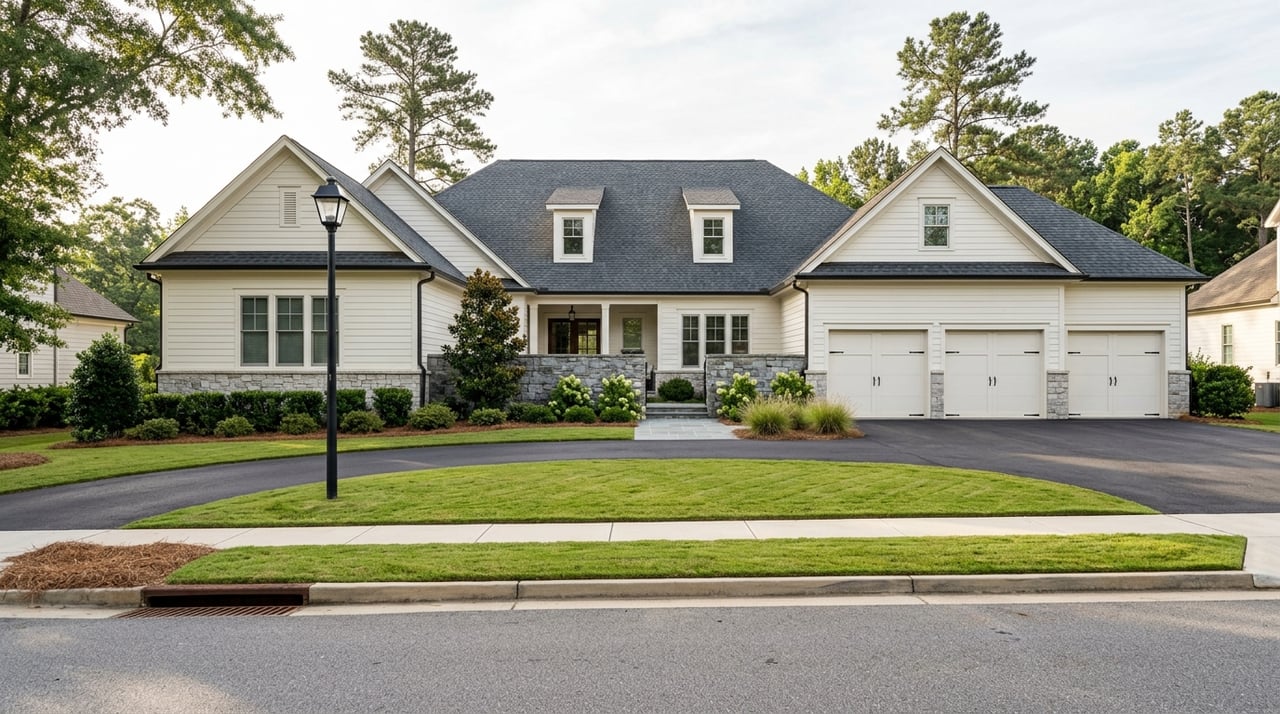
This step matters because Pinehurst is not one-size-fits-all. Some properties are closer to the historic village feel, while others may offer golf-course settings or more traditional residential layouts. A broader early search helps you narrow your priorities before you spend time touring homes in person.
If you work remotely, Pinehurst may also fit your day-to-day needs. Census data shows that 97.9% of households have a computer and 94.6% have a broadband subscription, which is helpful context if internet access is part of your relocation checklist.
Step 2: Build a Realistic Housing Plan
Before you fall in love with a specific home, it helps to understand the pace of the market. As of late March 2026, Zillow’s Pinehurst home value page reported an average home value of $535,584, a median sale price of $520,333, 196 listings, and 31 median days to pending.
Those numbers are best used as directional context, not a guarantee of how every home will behave. Some properties move faster than others, and timing can vary by price point, condition, and location.
For you, that means your relocation plan should leave room for flexibility. If you need proceeds from your current home, you may want to think through possible overlap between selling and buying, temporary housing, or financing options that help bridge the gap.
Step 3: Decide Whether to Sell First or Buy First
This is one of the biggest decisions in any relocation. In Pinehurst, the available market data suggests an active market, but not one where every property moves instantly.
If you sell first, you may have clearer financial boundaries for your Pinehurst purchase. If you buy first, you may reduce the pressure of finding the right home on a tight deadline, but you will want a solid plan for carrying costs and timing.
The right answer depends on your finances, comfort with risk, and whether you need the equity from your current home. A well-structured timeline can make the move feel far more manageable, especially when you are coordinating inspections, closing dates, movers, and utility setup across two locations.
Step 4: Verify School Assignment by Address
If school access is part of your move, verify it by the exact property address. Moore County Schools serves about 13,017 students across 24 schools, including elementary, middle, high, technical or alternative, and virtual or Blend+Ed options, according to the district’s school information page.
It is important not to rely on general neighborhood assumptions. School assignment can change based on the exact address, so you should confirm each property individually through the district’s locator tools before making a final decision.
This is one of the easiest ways to avoid surprises during a move. If you are comparing several homes, keep a simple list of each address and verify the assignment for each one as part of your shortlist process.
Step 5: Check Historic District Status Early
One of Pinehurst’s most important local details is its preservation framework. The Local Historic District information from the Village of Pinehurst explains that the district includes the National Historic Landmark area plus additional surveyed properties, and exterior changes within the district require review by the Historic Preservation Commission.
This matters if you are thinking about updating a home after closing. A house may look like a great fit at first glance, but your renovation plans could be affected if the property falls within the Local Historic District.
That does not mean you should avoid those homes. It simply means you should understand the review process before you buy, especially if exterior updates are part of your budget and timeline.
Step 6: Screen for Permits and Project Limits
Even outside the historic district, Pinehurst has local rules that can affect your plans. The village’s planning and inspections resources note that permits may be required for additions, fences, pools, sheds, driveways, and solar panels, and that setbacks and impervious surface are regulated.
The village also flags that some projects may involve survey requirements, and that items such as tree removal, seasonal pools, and accessory dwellings can have special rules. If you are buying with the intention to remodel or add outdoor features, this step should happen before closing, not after.
Ask for permit history when it is relevant, and confirm what would be allowed if you plan to make changes. That extra due diligence can save you time, money, and frustration after move-in.
Step 7: Budget for Taxes and Ongoing Costs
Property taxes are a key part of relocation planning, especially if you are comparing Pinehurst with other markets. The village states that Moore County’s tax rate is $0.4475 per $100 valuation and the Village of Pinehurst tax rate is $0.225 per $100 valuation on its low tax rates page.
The village also gives an example that a $500,000 home would owe about $3,363 in annual property taxes, although actual bills vary. That estimate can help you create a more realistic monthly housing budget as you compare homes.
When you relocate, it is smart to look beyond principal and interest. Taxes, insurance, utility setup, and any planned property updates should all be part of your early planning.
Step 8: Prepare for Remote or In-Person Tours
If you cannot visit every property right away, remote touring can be a very useful first filter. The village’s virtual tour resources make it easier to understand the broader setting before you travel.
For individual homes, live video walk-throughs can help you assess layout, exterior condition, lot lines, and visible features that may raise permitting or historic-review questions. In a market where some homes may move faster than others, that preparation can help you decide which properties are worth an in-person trip.
A good relocation tour plan is organized and specific. Go into each showing with questions about condition, improvements, lot use, and any restrictions that could affect your goals for the property.
Step 9: Set Up Essentials Before Move-In
Once you are under contract or approaching closing, shift your focus to move-in logistics. The village’s new resident brochure is a practical planning tool that lists weekly garbage, recycling, and yard-waste pickup, plus service information for Duke Energy Progress and Spectrum.
The brochure also points new residents to the CodeRED emergency notification system and the MY VOP app for service requests. Taking care of these items before moving day can make your first week much smoother.
If you are interested in using a golf cart, the same brochure notes that golf carts can be registered for street use in certain areas for a $20 one-time registration fee. Be sure to check the current rules and permitted streets if that is part of your lifestyle plan.
Step 10: Learn the Local Resources That Help You Settle In
A move feels easier when you know where to plug in after closing. Pinehurst offers several local resources that can help you build routines quickly, including events, a farmers market, parks and recreation programs, the Fair Barn, Given Memorial Library, and Tufts Archives, all highlighted in the village’s new resident materials.
Healthcare access is another factor many relocating buyers consider. The Moore County Economic Development Partnership healthcare overview notes that FirstHealth of the Carolinas, Pinehurst Surgical Clinic, and Pinehurst Medical Clinic are headquartered in Pinehurst, and that Moore Regional Hospital is located in Pinehurst.
If continuity of care matters to you, that local healthcare presence can be an important part of your relocation planning. Pinehurst Medical Clinic also reports more than 120 providers in 18 locations across the Sandhills region.
Quick Pinehurst Relocation Checklist
Use this checklist as you build your moving plan:
- Confirm exact school assignment by property address.
- Verify whether the home is in the Local Historic District.
- Ask about permit history before planning exterior changes.
- Compare your move timeline against current market pace and your current home sale.
- Confirm rules for remodeling, setbacks, and impervious-surface limits.
- Set up utilities, trash service details, and emergency notifications before move-in.
- Review golf cart registration rules if you plan to use one.
- Use remote tours and live video walk-throughs to narrow options before traveling.
Relocating to Pinehurst is much easier when you approach it in steps. From market timing and address-specific school verification to historic district review and post-closing logistics, the details matter here. If you want a smoother move with local guidance tailored to your goals, connect with Kelly Ward KW Realty for personalized support as you plan your Pinehurst relocation.
FAQs
What should you research first when relocating to Pinehurst?
- Start with the village layout, housing options, commute considerations, and whether homes you like may fall within the Local Historic District.
How should buyers verify school information for a Pinehurst home?
- Confirm school assignment by the exact property address through Moore County Schools rather than relying on neighborhood descriptions.
Why does historic district status matter in Pinehurst?
- Homes in the Local Historic District may require review for exterior changes, which can affect renovation plans, timelines, and project approvals.
What local rules should you check before buying a Pinehurst home?
- Review permit requirements, setbacks, impervious-surface limits, and any special rules for projects like fences, pools, sheds, solar panels, or tree removal.
What should new residents set up before moving into Pinehurst?
- You should arrange utilities, review trash and recycling service details, enroll in emergency notifications, and check local service tools like the MY VOP app.