If you are selling a home in The Country Club of North Carolina, you are not just putting a property on the market. You are presenting a gated club lifestyle, a private setting, and a home that may appeal to both local and out-of-area buyers. When you understand what makes CCNC different, you can make smarter choices about pricing, preparation, showings, and disclosures. Let’s dive in.
Why CCNC Requires a Different Selling Strategy
The Country Club of North Carolina is not a typical neighborhood. It is a private, member-owned country club community with a defined membership structure and a lifestyle that shapes buyer expectations.
CCNC spans about 2,000 acres and includes 36 holes of golf, more than 500 homesites, and over one hundred acres of lakes. The club also highlights dining, tennis, pickleball, fitness, pool facilities, trails, rental cottages, and social programming. That means your home should be marketed in the context of the community experience when those features are relevant to your property.
Another important factor is buyer profile. CCNC reports that more than half of its membership is made up of non-local residents. For you as a seller, that can mean a buyer may first experience your home online rather than in person.
Price Your Home for the CCNC Market
One of the biggest mistakes sellers can make is pricing a CCNC home based only on broad county averages. While Moore County data gives helpful context, CCNC sits in a more specialized upper-end segment.
Recent market snapshots show an active market, but not an overheated one. Redfin reported a median sale price in Moore County of $453,733 over the three months ending April 2026, with a median of 70 days to sell. Realtor.com reported Moore County as a balanced market in March 2026, with a median listing price of $477,700, a sale-to-list ratio of 99%, and median days on market of 57.
In ZIP code 28374, Realtor.com showed a median listing price of $631,200 and 341 homes for sale as of March 2026. That higher figure supports what many sellers already suspect: CCNC competes in a more elevated micro-market than the county as a whole.
Use Relevant Comparables
Your pricing strategy should focus on the most comparable properties possible. In a community like CCNC, that often means looking closely at other club properties, nearby Pinehurst homes, and other amenity-driven communities instead of relying on general county numbers alone.
A thoughtful pricing approach matters because the market appears balanced. Buyers are active, but they are still comparing options carefully. If your home is priced too aggressively, it may sit longer and lose momentum.
Timing Still Matters, But Preparation Matters More
National data from Realtor.com points to mid-April as a historically strong time to sell, often tied to slightly higher prices, more views, less competition, and faster sales. Still, in a niche luxury market like CCNC, the better question is whether your home is fully ready before it launches.
In many cases, strong preparation beats rushing to market. A polished listing with the right photos, accurate pricing, and a clear story about the property can outperform a faster but less strategic launch.
Prepare Your Home to Sell the Lifestyle
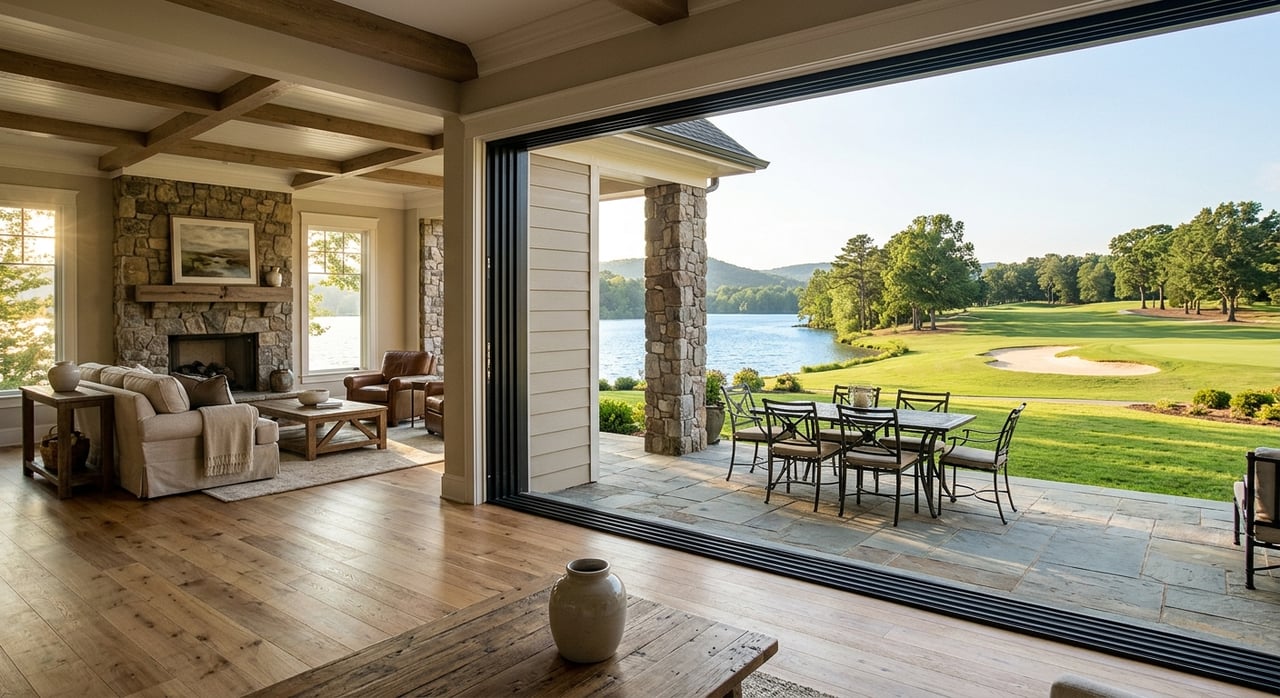
In CCNC, buyers are often drawn to more than square footage. They may care about golf-course views, lake frontage, privacy, outdoor living, access to club amenities, or how the property supports the way they want to live.
That is why pre-listing preparation should go beyond basic cleaning. Your home should help buyers picture daily life in the community from the moment they see the first photo.
Focus on Lifestyle Features
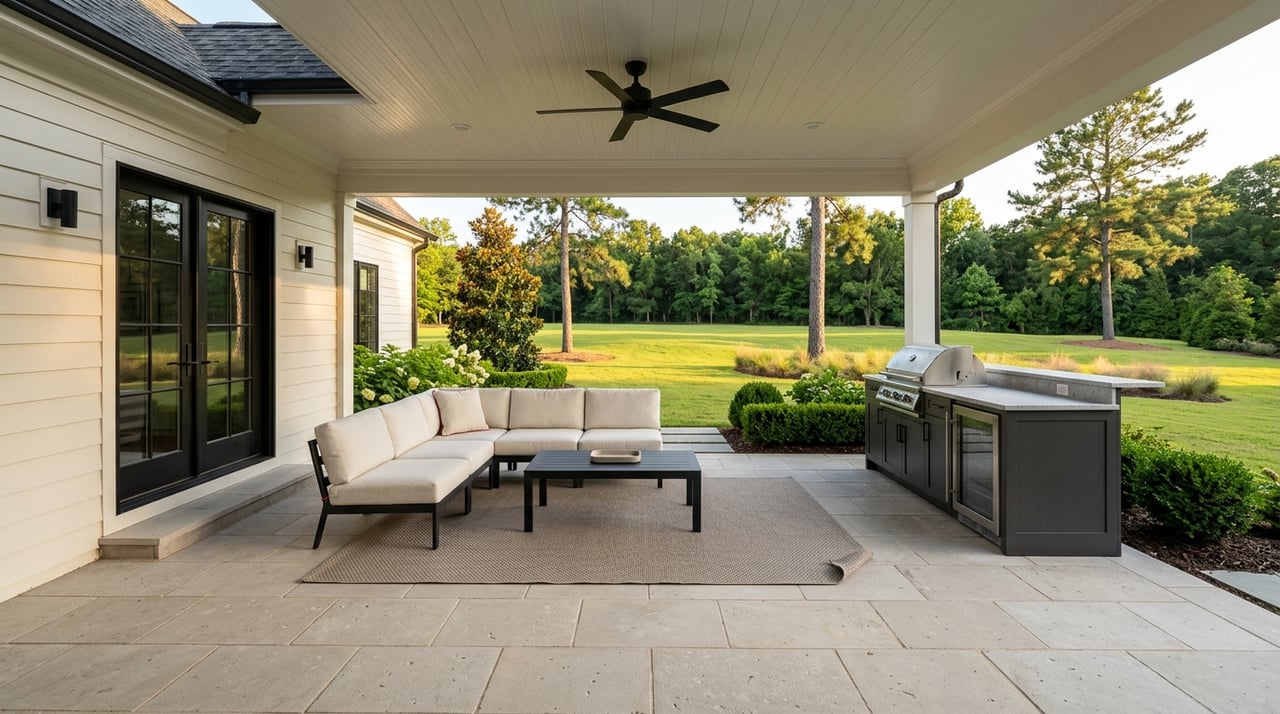
If your property has golf views, lake views, a strong connection to outdoor living, or convenient access to club amenities, those details should be part of the listing strategy. The same goes for spaces that support entertaining, quiet retreat, or easy lock-and-leave ownership when applicable.
This is especially important because CCNC’s own amenity mix emphasizes golf, dining, racquet sports, pool access, fitness, lakes, trails, and social events. When your property connects to those features, the marketing should reflect it clearly and accurately.
Invest in Strong Presentation
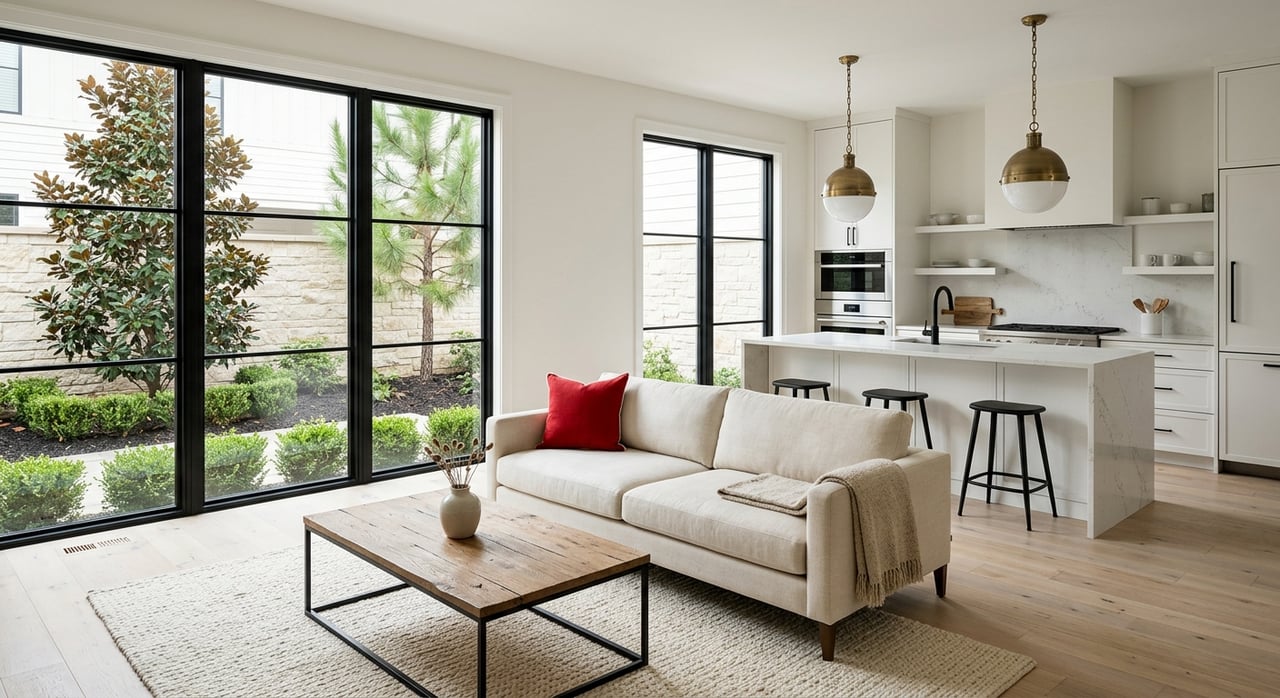
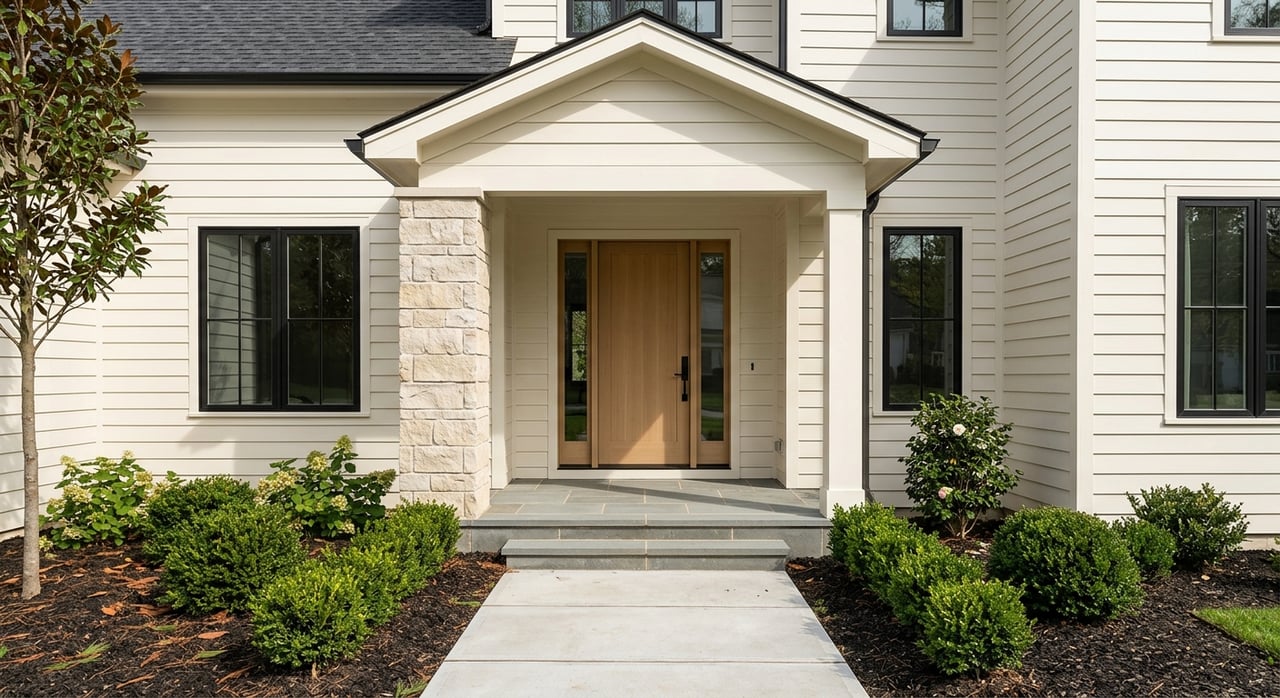
Because many potential buyers may be coming from outside the area, presentation matters even more. Professional photography, clean curb appeal, well-prepared outdoor spaces, and concise room descriptions can help your home make a strong first impression.
A simple floor plan or feature summary can also be helpful. Out-of-town buyers often need an easy way to understand how the home lives before they decide to travel for a showing.
Plan for Older-Home Disclosures Early
Some homes in CCNC may be older, and that can affect your pre-listing checklist. Since the club dates back to 1963, some properties may have been built before 1978.
For most housing built before 1978, federal lead-based paint disclosure rules apply. If that applies to your property, sellers must disclose known lead-based paint hazards before the sale, provide the required federal pamphlet, and allow buyers a 10-day inspection period. It is much better to handle this early than let it become a late-stage issue.
Make Showings Easy in a Gated Community
Selling inside a private, gated community comes with added logistics. In CCNC, smooth access and clear communication can make a real difference in the showing experience.
The club’s guest guidance gives useful context for how visitors are expected to move through the community. Guests are asked to keep cell phones silent or off, follow dress standards, observe a 25 mph speed limit in most areas, and park carefully without blocking roadways. While those rules are written for club visitors, they also point to the importance of orderly, well-managed showings.
Appointment-Based Showings Work Best
In a private community, appointment-based showings are usually the better approach. They allow you and your agent to coordinate gate access, parking instructions, and any property-specific details before a buyer arrives.
That extra planning helps reduce friction. It also creates a more polished experience for buyers who may already be evaluating not just the house, but the ease and feel of the community itself.
Think About Out-of-Town Buyers
CCNC also notes that members and guests can stay in fully equipped rental cottages and use club amenities during their visit. From a seller’s perspective, that supports a practical idea: some buyers may want more than a quick tour.
A longer visit can help an out-of-town buyer understand the property and the community more fully. That makes flexibility, strong communication, and a well-organized showing plan especially valuable.
Gather HOA and Club Information Early
North Carolina has clear disclosure requirements, and sellers in communities with associations or mandatory covenants should start document collection early. In a place like CCNC, this is one of the most important steps in the selling process.
Under North Carolina’s Residential Property Disclosure Act, most sellers of one- to four-unit residential property must provide a Residential Property and Owners’ Association Disclosure Statement before an offer is made. North Carolina also allows sellers to choose “No Representation” on some items, but that does not remove the duty to disclose known material facts.
Know What Must Be Disclosed
North Carolina Real Estate Commission guidance explains that material facts are facts that could affect a reasonable person’s decision to buy, sell, or lease real property. Those facts should be disclosed in time to matter to the buyer’s decision.
For homes governed by an owners’ association or similar structure, the disclosure statement must include:
- Association contact information
- The amount of regular assessments or dues
- Services paid for by those dues
- Any approved assessments, fees, dues, or special assessments
In practical terms, that means you should gather club, HOA, covenant, and transfer-fee information early. Doing this upfront can help avoid confusion, delay, or buyer concern later.
Correct Errors Promptly
If a required disclosure statement is not delivered before or at the time a buyer makes an offer, the buyer may have a statutory right to cancel. If you later discover a material inaccuracy, North Carolina law requires a prompt corrected disclosure.
That is one more reason why a careful pre-listing review matters. In gated and amenity-driven communities, buyers often have more questions about fees, rules, and community structure than they would in a standard neighborhood.
Verify Taxes Before You List
Tax details may seem like a closing-stage issue, but they are worth checking early. Accurate tax information helps support better net-sheet estimates and smoother prorations.
Moore County handles assessments, valuations, billing, and collection for Pinehurst properties. Moore County’s FY 2025-26 budget lists a county tax rate of $0.295 per $100 valuation, and the Village of Pinehurst’s 2026 Strategic Operating Plan lists a village-wide property tax rate of $0.225 per $100 valuation.
Because tax treatment depends on the parcel and applicable jurisdictions, it is smart to confirm exactly which taxing authorities apply to your property before you list. That helps you avoid surprises when you begin estimating your proceeds.
A Smart Sale Starts Before You Go Live
The best CCNC listings usually do not come together at the last minute. They are built through smart pricing, polished marketing, organized access, and early document preparation.
If you are selling in The Country Club of North Carolina, your goal is not simply to list your home. Your goal is to present the property in a way that matches the expectations of a private club buyer and supports a smooth, confident transaction from start to finish.
If you are thinking about selling in CCNC or anywhere in Moore County, Kelly Ward KW Realty can help you create a thoughtful, lifestyle-focused plan for your home sale.
FAQs
What makes selling a home in The Country Club of North Carolina different?
- CCNC is a private, member-owned country club community, so buyers are often evaluating both the home and the club lifestyle, which affects pricing, marketing, and showing strategy.
How should you price a home in The Country Club of North Carolina?
- A CCNC home should be priced using the most relevant comparable sales from club and amenity-driven communities rather than broad Moore County averages alone.
What should sellers prepare before listing a CCNC home?
- You should prepare professional photos, clear property details, community-related selling points when applicable, gate and showing instructions, and required disclosure documents early.
What disclosures are required when selling a home in Moore County, North Carolina?
- Most sellers of one- to four-unit residential property must provide a Residential Property and Owners’ Association Disclosure Statement before an offer is made, along with any known material facts.
Do older homes in The Country Club of North Carolina need lead-based paint disclosure?
- If the home was built before 1978 and falls under the rule, sellers must disclose known lead-based paint hazards, provide the required pamphlet, and allow the buyer a 10-day inspection period.
Why do gated-community showing logistics matter in CCNC?
- Clear gate access, parking guidance, and appointment-based scheduling help reduce friction and create a better showing experience for buyers in a private community.