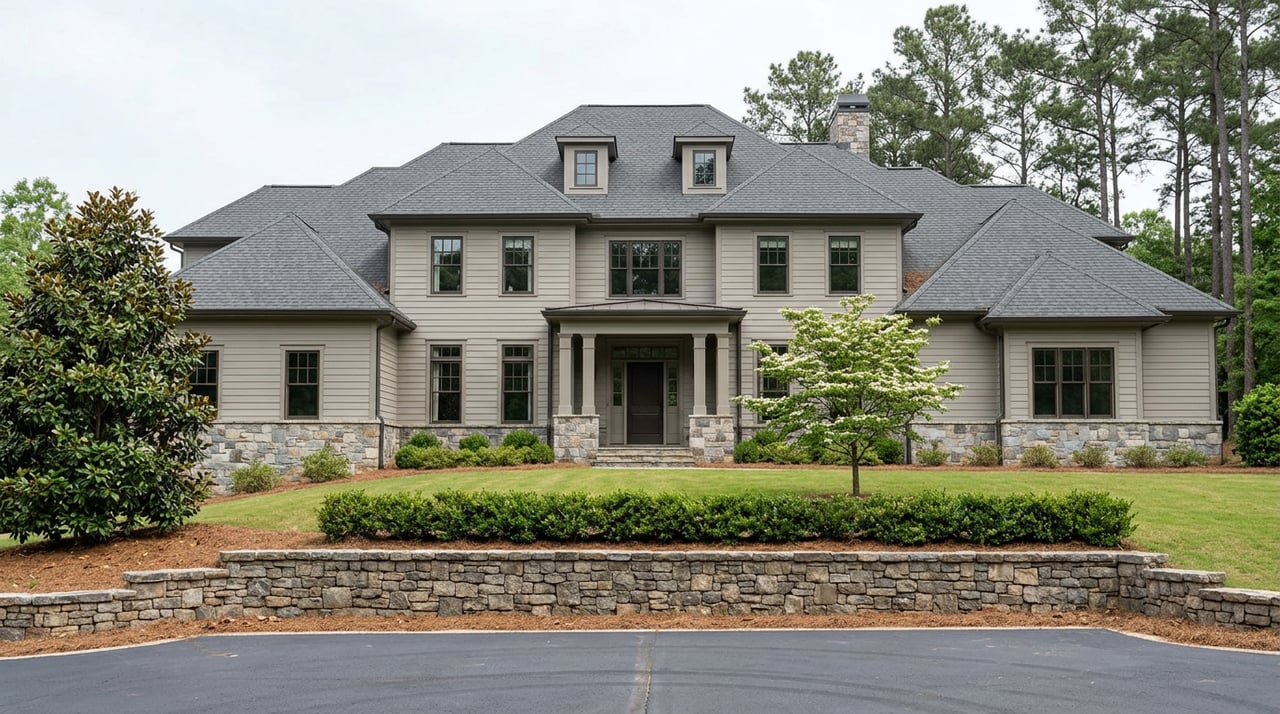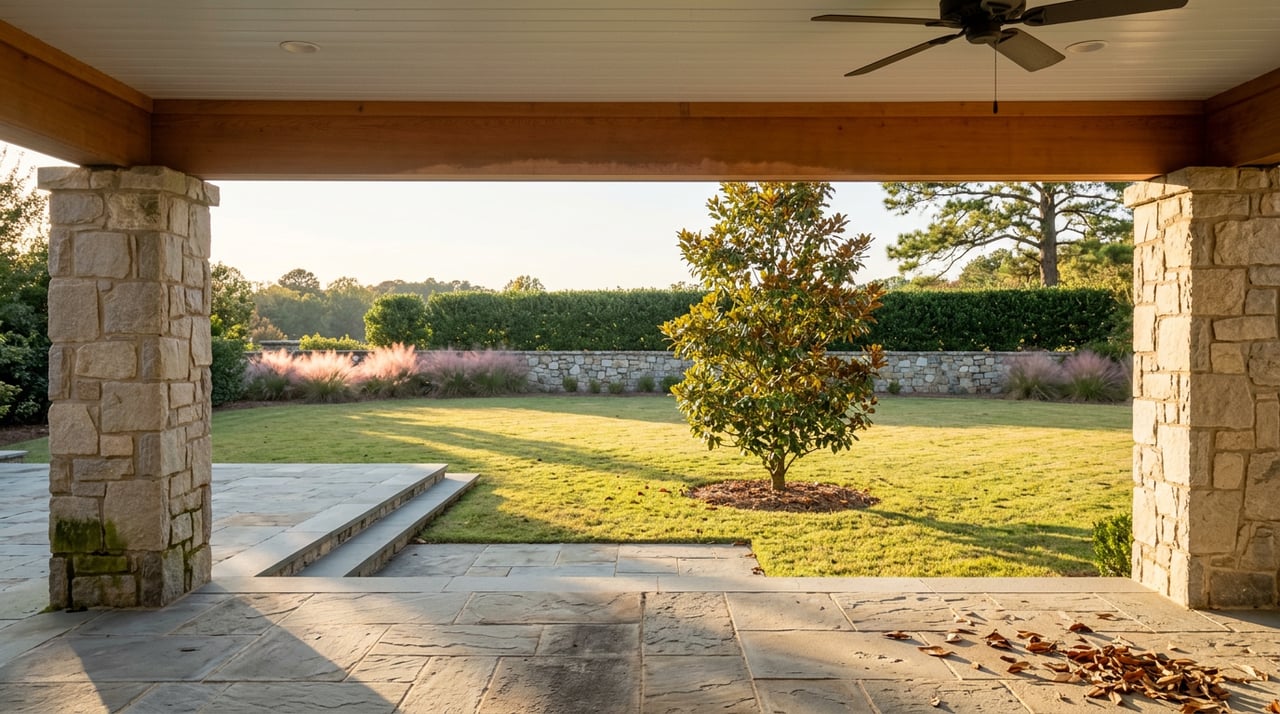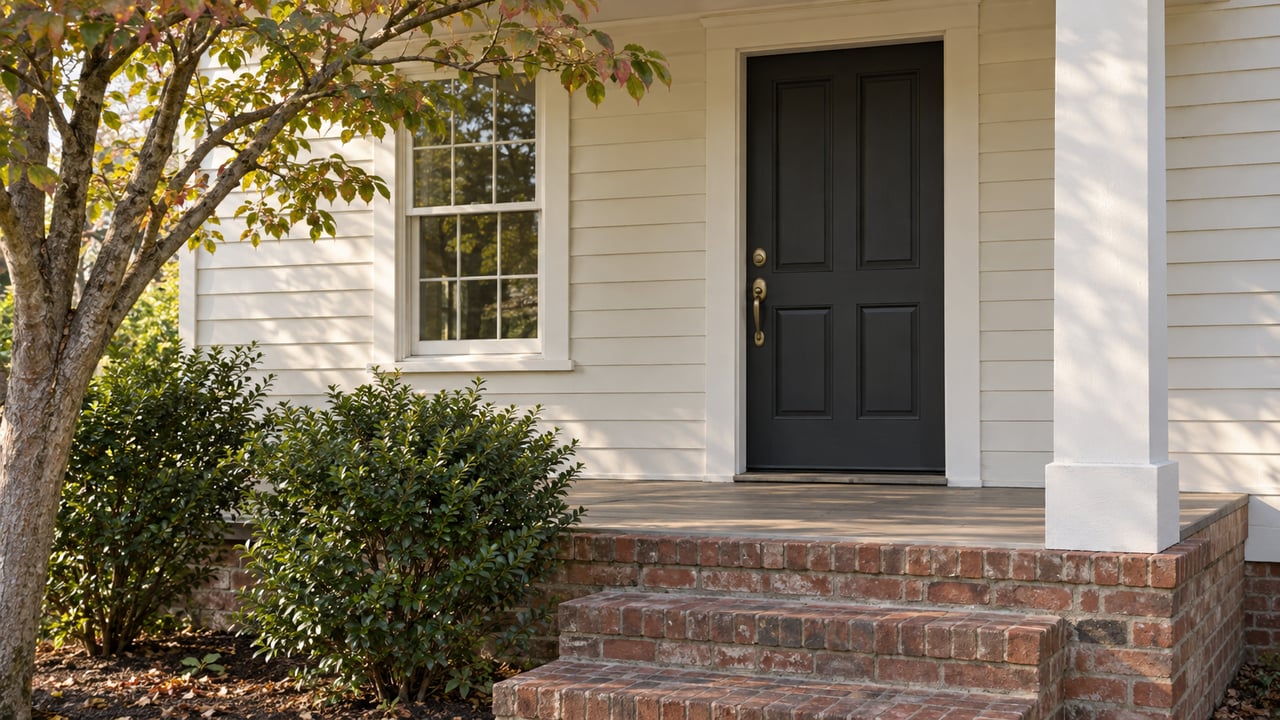
Stand inside one of the unrenovated cottages tucked along the older streets of the Village and the question is almost always the same: how long would this actually take to fix? Not the total cost. The calendar. Because in Old Town Pinehurst, the answer to that question has almost nothing to do with your contractor's schedule and everything to do with the review schedule of the seven-member volunteer Historic Preservation Commission.
That distinction explains something odd happening in the neighborhood's numbers right now. As of June 2026, the median sale price for a home in Old Town Pinehurst sat at $1,290,000, up 17.3 percent from a year earlier, with homes averaging just 4 days on market compared to 36 days the year before. That reads like a neighborhood on fire. But the same data shows the median dropped from $1,895,000 the prior month to that $1,290,000 figure, a swing of more than half a million dollars in thirty days. With only a handful of homes trading at any given time (the current active inventory runs to roughly a dozen and a half listings across the whole neighborhood), one or two sales can move the median by hundreds of thousands of dollars. The number isn't broken. It's just describing two different products that happen to share a zip code.
The Same Neighborhood, Two Different Markets
Walk the streets of Old Town and the range is visible from the sidewalk. Small Tufts-era cottages that need real work still trade in the low $200,000s. Fully restored versions of the same footprint, updated kitchens and modern systems tucked behind period-correct trim, sell north of $1.5 million. Most of what's on the market falls somewhere between those two poles, and where a given property lands on that spectrum depends less on square footage than on how much of the renovation work is already done and already approved.
That second part matters more than buyers expect. A home that's been through the Village's design review process and come out the other side is a fundamentally different purchase than one that hasn't, even if the two houses look nearly identical from the street.
What Actually Happens Before You Can Touch a Window
Every home inside the Pinehurst Historic District, the original Tufts-era core the Village Council designated a local historic overlay in 2006, falls under the jurisdiction of the Pinehurst Historic Preservation Commission. Before you alter, replace, or add almost anything visible from the outside of the house, the Village's ordinance requires a Certificate of Appropriateness. That covers siding, windows, doors, fences, steps, walls, light fixtures and new construction of any kind.
Not every request goes to a public hearing. Village Planning staff can approve straightforward items like paint colors, shutters and standard fencing on their own, often within a matter of days. But the moment a project touches something the Commission classifies as major work, meaning changes to exterior materials, window or door replacement, in-ground pools, or new accessory structures, it goes before the seven-member Commission itself, a board made up entirely of Village residents appointed by the Village Council to staggered terms. North Carolina statute gives the Commission up to 180 days to render a decision on that kind of application. Local contractors who work inside the district regularly quote something closer to 4 to 6 weeks for a well-documented, straightforward request, but that estimate assumes the application is complete and the project doesn't require revisions after the first review.
None of this touches interior work. Plumbing, electrical, insulation, kitchen layouts behind the walls, all of that proceeds under ordinary building permits with no Commission involvement. The review exists only for what the street can see.
Here's the practical version of what that means before you write an offer:
- Paint color, shutters, standard fencing: staff-level approval, typically fast
- New siding material, window or door replacement, additions, in-ground pools, accessory buildings: full Commission review required
- A Certificate of Appropriateness, once issued, is generally valid for about a year to begin the work
- Interior renovations (plumbing, electrical, layout changes that don't alter exterior walls) don't require a COA at all
Why the Renovated Ones Never Sit
Once you see the process this way, the fast-moving side of Old Town's market stops looking like luck and starts looking like arithmetic. A home that's already been through full restoration has already absorbed the Commission's timeline. Someone, at some point, submitted plans, waited for a hearing date, got approval, and then built the thing. The buyer purchasing that finished product isn't buying a house and a permitting process. They're buying a house that already cleared the process, which is exactly why it can close in four days instead of thirty-six.
That's also why a niche of contractors has grown up specifically around this work. Transform NC, a Moore County-based remodeling firm, markets itself directly around navigating the Village's architectural review requirements while preserving original details like heart-pine floors and period trim profiles. That kind of specialization doesn't emerge in neighborhoods where design review is a formality. It emerges where the review genuinely shapes what gets built, and how long it takes to get there.
The unrenovated side of the market carries the opposite math. A buyer looking at a $200,000-range cottage isn't just pricing the renovation budget. They're pricing an unknown number of weeks or months before the Commission even lets them start, plus the risk that a first submission comes back with requested changes. That uncertainty is part of why those properties sit longer and trade at a steeper discount to the finished product than the raw square footage would suggest.
What This Changes If You're Bidding on the Project House
If you're considering one of Old Town's unrenovated cottages, the smartest move happens before you write an offer, not after you close. Call the Village Planning Department and ask directly whether your intended changes, new windows, an addition, a pool, would require a full Commission hearing or could be handled at the staff level. That single conversation tells you whether you're looking at a few weeks of paperwork or a multi-month wait before a shovel goes in the ground.
It's also worth asking the seller whether any prior COA applications exist for the property. A home with an already-approved but unbuilt renovation plan, or one with a documented history of Commission decisions, gives you a real head start on understanding what the board is likely to approve for that specific lot.
None of this makes the Historic District a harder place to buy. It makes it a place where the calendar matters as much as the contract price, and where the seven volunteers on that Commission have more influence over your move-in date than your closing attorney does.
FAQ
Does the Historic Preservation Commission review interior renovations? No. The Commission's authority covers exterior features only, siding, windows, doors, roofs, additions and site elements like fences and walls. Interior work proceeds under standard building permits.
What happens if the Commission denies my application? Denials can be appealed to the Village's Board of Adjustment, and from there to Moore County Superior Court if needed. Most applications that come in complete and well-documented don't reach that point.
How long is an approved Certificate of Appropriateness good for? Once issued, a COA is generally valid for about a year to begin the approved work, and remains valid for the duration of that project once started.
Buying or selling inside the Pinehurst Historic District means dealing with two timelines at once, the closing date and the Commission's calendar. If you're weighing a project cottage against a turnkey home in Old Town, or wondering what a specific renovation would actually require, I'd rather walk you through it before you write an offer than after. Kelly Ward — Let's Connect.