Imagine waking up to longleaf pines and a quiet fairway view outside your window. If you are considering a golf course home in Forest Creek, you likely want privacy, quality amenities, and a home that fits your lifestyle on and off the course. This guide breaks down what to expect from golf‑front living here, from views and easements to membership and maintenance, so you can move forward with confidence. Let’s dive in.
Why Forest Creek stands out
Forest Creek is a private, gated, master‑planned community next to the Village of Pinehurst in ZIP 28374. The club and community describe a luxury setting shaped by two Tom Fazio courses and year‑round golf in the Sandhills. You will also find dining, fitness, pools, and racquet amenities that support a true club lifestyle. Review the club’s overview to understand the setting and amenities highlighted by the community in its materials at the Forest Creek Golf Club about page.
Forest Creek operates with a Property Owners Association (POA) that enforces architectural and community standards. Expect recorded covenants, conditions, and restrictions (CC&Rs) and architectural review for exterior work. You can find POA contacts and community information on the Forest Creek POA site.
Golf‑front vs. golf‑side homes
Choosing the right position along the course shapes your day‑to‑day experience. Here is how to think about it.
Orientation and elevation
In listings, you will see terms like golf‑front, golf‑side, and interior. Golf‑front usually means direct fairway or green views, while golf‑side is adjacent without a full face‑on view. Use the listing description and the recorded plat to confirm which hole is nearby and how the home sits.
Forest Creek’s sandy soils and tall pines often frame views nicely, which can give you privacy. You may want broader views, but tree removal is typically governed by architectural rules. Check the ARB guidelines and ask how tree work is reviewed and approved. The club’s materials also emphasize the Sandhills terrain and pine landscape, which influence view lines and buffers as noted on the club’s about page.
Privacy and course easements
Most golf communities use setbacks and easements to keep a safe buffer between homes and play. In Forest Creek, expect your recorded plat and CC&Rs to show a building envelope, rear setbacks, and in many cases golfer ball‑retrieval rights. Do not assume you can build at the very rear line even if space looks open. Request the recorded plat and building envelope before you submit an offer and confirm with the Forest Creek POA.
Homes, lots, and styles to expect
Lot sizes and examples
You will see a wide mix of homesites, from cottage‑scale lots around 0.3 to 0.8 acre to larger wooded parcels of 1 to 2 or more acres. A representative example is 210 Meyer Farm Drive, a 2.2‑acre site promoted by the club for a custom build, which shows how some parcels offer additional space and privacy. You can review this kind of large‑parcel example at 210 Meyer Farm Drive.
Pricing varies based on lot size, exact course position, view, and the home’s size and finish level. In general, golf‑front sites and well‑sited homes can command a premium. Ask for current MLS comparables specific to the same hole or block to ground your expectations.
Architecture and finishes
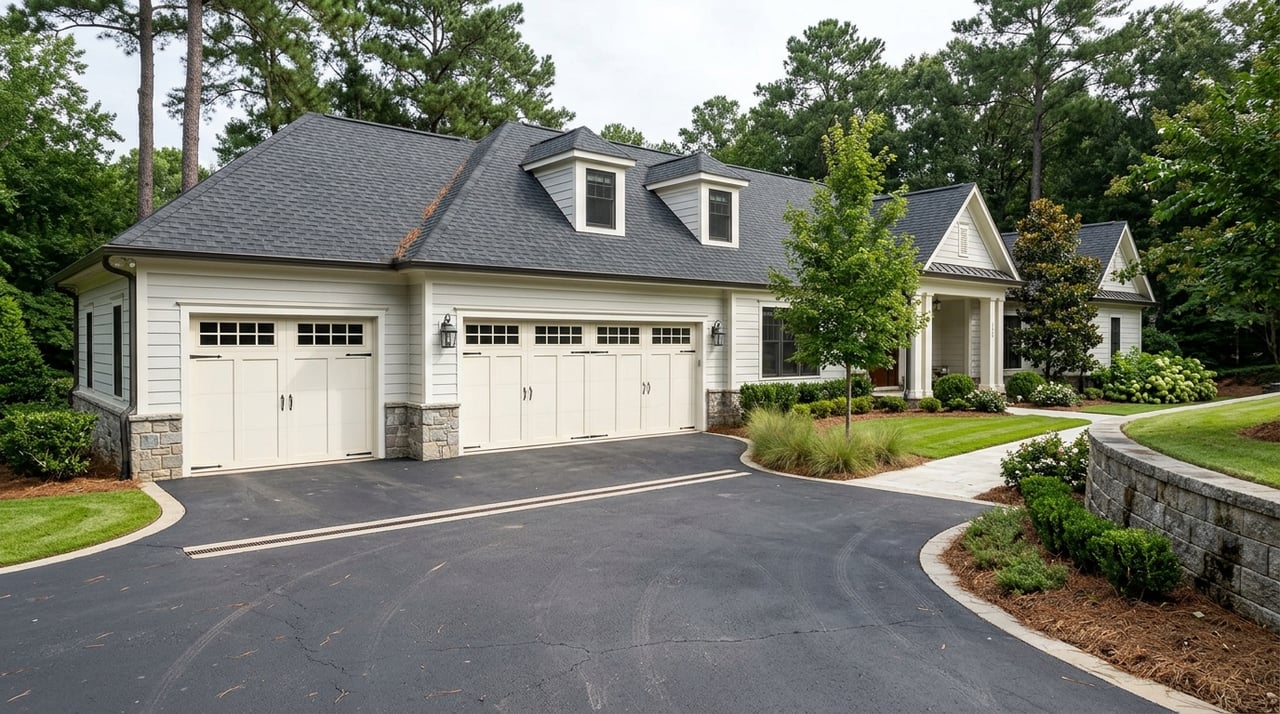
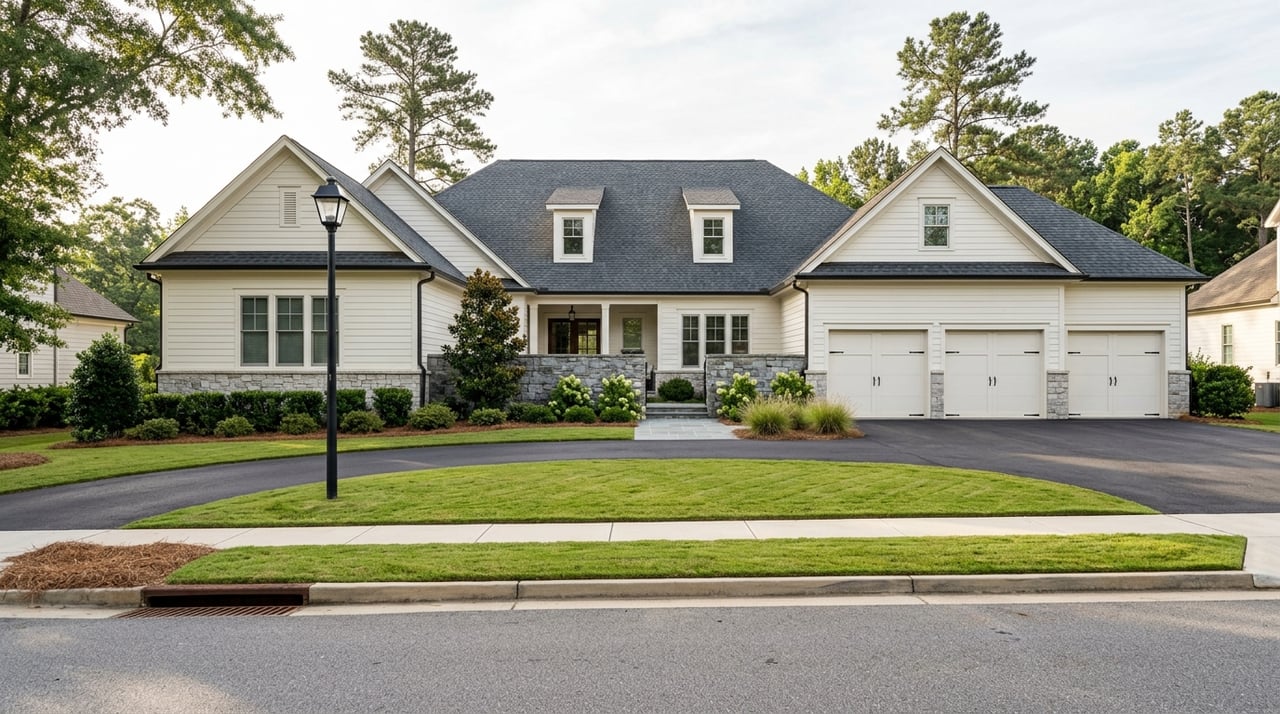
Forest Creek and the surrounding Pinehurst area include a range of styles: French‑country cottages, Colonial and traditional two‑story homes, single‑level ranch plans, and higher‑end custom Southern and low‑country designs with covered porches and masonry accents. When you scan listings, you will see these terms used frequently. Match the style to your lifestyle needs, including single‑level living, outdoor spaces facing the fairway, and garage or workshop requirements.
Membership essentials
How membership works
Forest Creek is an exclusive private club with golf and social memberships. The club typically handles membership details through its office by inquiry rather than posting fees publicly. If membership is important to you, contact the club early and request a written summary of initiation, dues, transfer rules, and any waiting lists. Start that process on the Forest Creek membership page.
Is membership included with a home
Ownership in Forest Creek does not automatically include club membership. Some sellers may offer to convey a membership or assist with initiation fees as part of a purchase, but this is not standard. If a listing mentions membership terms, verify what is offered, what must be approved by the club, and what costs will transfer to you. Ask for written terms from the seller and confirmation from the membership office.
On‑course living realities
Course maintenance and schedules
Golf facilities run year‑round maintenance programs, including mowing, aeration, topdressing, irrigation, and pesticide or fertilizer applications. You may notice early‑morning equipment, occasional turf projects, or temporary odors during application periods. Best practice is to request the course maintenance calendar and ask about notification procedures and environmental policies. To learn how superintendents manage nutrients and pesticides under industry guidelines, review the USGA’s course care resources.
If you or a family member has sensitivities, this calendar and the club’s integrated pest management (IPM) approach matter. Ask for the superintendent’s contact and any policy documents that explain application timing, licensed applicators, and recordkeeping.
Errant balls, fences, and insurance
Most golf‑front owners accept some risk of stray golf balls. Community documents often include easements for golfer access and may include assumption‑of‑risk language. Because language varies by development, read the recorded CC&Rs and any golf disclosures for your specific lot. For background on how communities address ball‑strike risk, see this legal overview on golf ball hazards and liability concepts.
From a practical standpoint, many homeowners policies cover sudden physical damage such as a broken window, subject to your deductible and policy terms. It can be possible to pursue reimbursement from an identified player, but it may not be efficient for minor repairs. Talk with your insurance agent about appropriate deductibles and liability limits. For a consumer‑friendly discussion of responsibility after a ball strike, read this guide on who may be responsible if a golf ball hits a car. Also ask an inspector to review windows, exterior glass, and roof materials. You can learn about protecting vulnerable glass from impact in this overview of home golf ball damage and repair considerations.
Your Forest Creek due‑diligence checklist
Use this list to gather documents and answers before you finalize an offer.
- Recorded plat and site plan. Confirm the lot’s relationship to the fairway or green, the building envelope, setbacks, and any rear easements. Do not rely on assumptions or marketing maps.
- CC&Rs and ARB guidelines. Request the CC&Rs, bylaws, design standards, and application timelines. Confirm fence and tree‑removal rules and average approval times with the Forest Creek POA.
- POA financials and meeting minutes. Ask for current dues, budgets, reserve studies, and notices of any special assessments so you can forecast costs.
- Club membership details. Request the membership application, transfer policy, and a written summary of initiation and dues from the Forest Creek membership office. If a seller offers initiation assistance, get it in writing.
- Course maintenance calendar and IPM policy. Ask for schedules and notification practices for aeration, topdressing, and any chemical applications. The USGA course‑care guidance explains the standards many clubs follow.
- Seller disclosures and ball‑strike history. Ask the seller, POA, or clubhouse staff whether there is a known pattern of ball strikes or mitigations near the property line.
- Survey and drainage. Obtain a current boundary survey and verify elevations and drainage patterns. Order a lender flood determination and cross‑check the FEMA flood zone using the FEMA Map Service Center.
- Insurance review. Discuss deductibles, endorsements, and liability limits with your agent. Ask how claims for ball strikes would be handled and documented.
- Inspection priorities. Have your inspector take a close look at windows and exterior glass, roof impact resistance, siding, garage doors, grading, any retaining walls, and signs of erosion near fairway edges.
Strategy and negotiation tips
- Compare by hole and view. Pricing can vary based on the specific hole, green proximity, elevation, and view corridor. Use recent sales that match the same section of the course when possible.
- Consider clubhouse proximity. Closer may offer convenience but can come with more traffic or early‑morning activity. Decide which tradeoffs suit your routine.
- Start membership conversations early. If you plan to join, begin with the club during your showing phase. If a seller offers membership conveyance or fee assistance, document terms and ensure the club confirms transfer requirements.
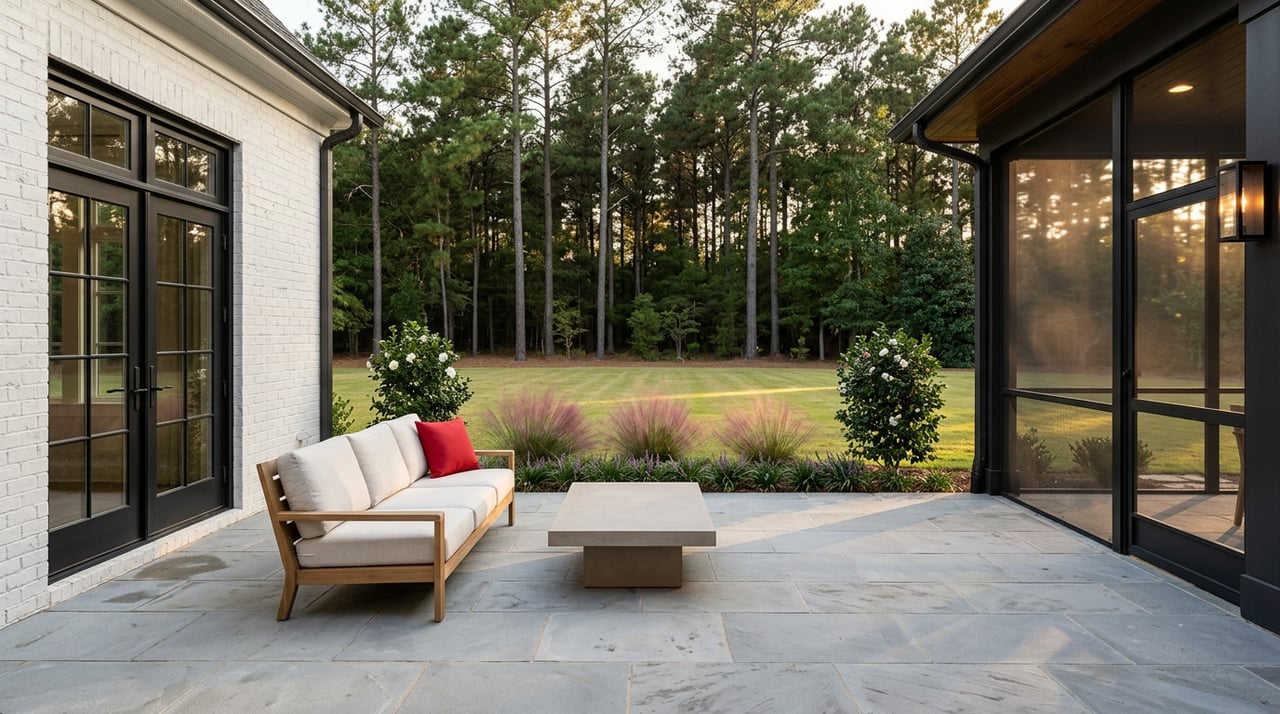
- Align home features with lifestyle. If you host often, prioritize outdoor living that faces the fairway, with screening or landscaping for privacy. If you play regularly, evaluate cart storage and access.
Next steps
Buying a golf course home in Forest Creek should feel exciting and well‑planned. With the right documents, a focused inspection, and early membership conversations, you can make a confident move that fits your lifestyle on and off the course. If you want a clear path from first tour to closing, I will help you compare holes, study plats, coordinate with the club and POA, and negotiate terms that make sense for you. Ready to explore homes along the North and South courses? Let’s connect through Kelly Ward KW Realty.
FAQs
What makes Forest Creek unique compared to other Pinehurst communities
- It is a private, gated, master‑planned community with two Tom Fazio courses and club amenities, as described on the Forest Creek Golf Club about page, plus a POA that manages architectural and community standards.
Do I need to be a club member to live in Forest Creek
- Club membership is typically optional for ownership, but details are handled directly by the club; contact the membership office and request written terms through the Forest Creek membership page.
How can I limit the risk of golf ball damage at a golf‑front home
- Choose an orientation with fewer direct landing‑zone exposures, use impact‑resistant glass where feasible, maintain buffers, and review insurance coverage; for practical ideas, see this guide to home golf ball damage considerations.
Are there rules about trees and exterior changes in Forest Creek
- Yes. The POA enforces ARB guidelines for exterior work, fencing, and tree removal. Request the CC&Rs and ARB rules from the Forest Creek POA before planning changes.
What should I ask about course maintenance before closing on a home
- Ask for the maintenance calendar, chemical application policy, and notification practices. The USGA course‑care resources explain common practices for nutrients and pesticides.
How do I check flood risk for a fairway‑adjacent lot in Forest Creek
- Order a lender flood determination and cross‑check your address and panel maps at the FEMA Map Service Center.